The best overlook is one you have time to enjoy
A long list of scenic stops can make a road trip feel surprisingly rushed. Start with a few candidates in the part of Shenandoah you plan to visit. Leave the rest as possibilities rather than obligations.
This guide helps you select stops. It does not rank every overlook, promise a particular view on your travel date, or replace the park’s road and conditions information.
Put the route first
Choose your entrance and intended exit, then look at the official park map. Mark overlooks along that section instead of building a scattered list from photographs taken throughout the park.
Keep the direction of travel in mind. Make only safe, permitted maneuvers and use designated parking. A missed stop is a reason to continue, not to brake suddenly or turn around in an unsuitable place.
Our Skyline Drive map and entrances guide explains how to use entrance locations and mileposts to create a compact plan.
Choose different kinds of pauses
Think about what your group actually enjoys. A photographer may want time to wait for changing light. A family may prefer a quick view followed by a meal break. Someone who finds winding drives tiring may need fewer miles and longer pauses.
Give each possible stop a purpose:
- A first view to settle into the day.
- A longer pause for photos or simply looking.
- A final stop only if time and conditions allow.
This is more useful than assigning the same few minutes to every overlook. Keep enough flexibility to stay longer when a place catches your attention.
Think about light without making promises
Check a map’s orientation if a particular light direction matters to you. Then check the forecast and your planned return journey. Cloud, haze, and changing conditions can have a bigger effect on your photos than arriving at an exact minute.
Avoid building the whole day around a guaranteed sunset image. If the view disappears, an earlier, calmer departure may be the better end to the trip. This is especially true when your group is unfamiliar with the roads after dark.
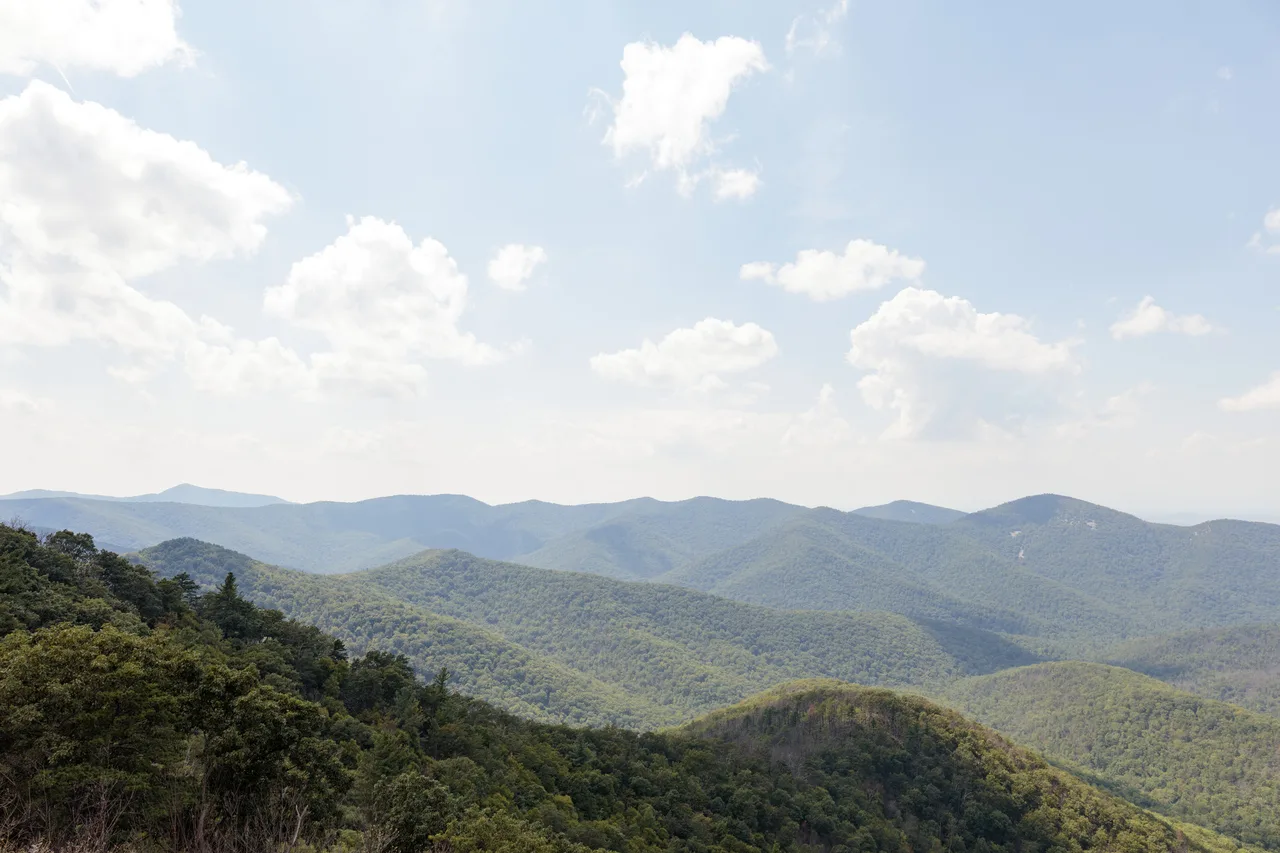
A real view from Rockytop Overlook
The photograph above shows layered ridges from Rockytop Overlook. It comes from the National Park Service’s public-domain collection and is credited to Mary O’Neill. It is a view of the park, not a current conditions image or a traveler review of HelloTourGuide.
Use photos as inspiration, while remembering that your own visit may look different. The weather, foliage, visibility, and season all affect a landscape. A compelling image does not establish that a stop will be suitable for your particular group.
Keep the stop comfortable for everyone
Check current accessibility information when a member of your group needs it. A roadside scenic stop and a trail viewpoint are different experiences; don’t assume that reaching a parking area guarantees a suitable surface, distance, or barrier-free view.
Stay within designated areas and follow posted instructions. If wildlife is present, keep your distance and use a longer lens or binoculars. The park’s safety guidance is the place to review current wildlife precautions before your trip.
Make a short list you can change
Write down a small number of potential stops, put them in driving order, and share the plan with your passenger. Keep the driver’s attention on driving. If parking is full, continue to another designated stop rather than improvising on the road.
For a complete day built around these choices, use our one-day Shenandoah itinerary. The aim is time to experience the place, with a route that leaves room to change your mind.
These are planning suggestions, not a live conditions report. Review official park alerts and follow posted signs.